PROJECTS
For over a decade, LESCOTA has been working alongside rural communities in Tanzania to create sustainable, lasting change. Our eight flagship projects span education, literacy, women’s empowerment, youth development, agriculture, and child sponsorship—each designed to break the cycle of poverty and build a future where every child, woman, and community can thrive. Explore our projects below and discover how you can be part of this transformative journey.
MANGO PRE & PRIMARY SCHOOL
“Building bright futures through quality education—the only English Medium School in the Ruvuma region.”
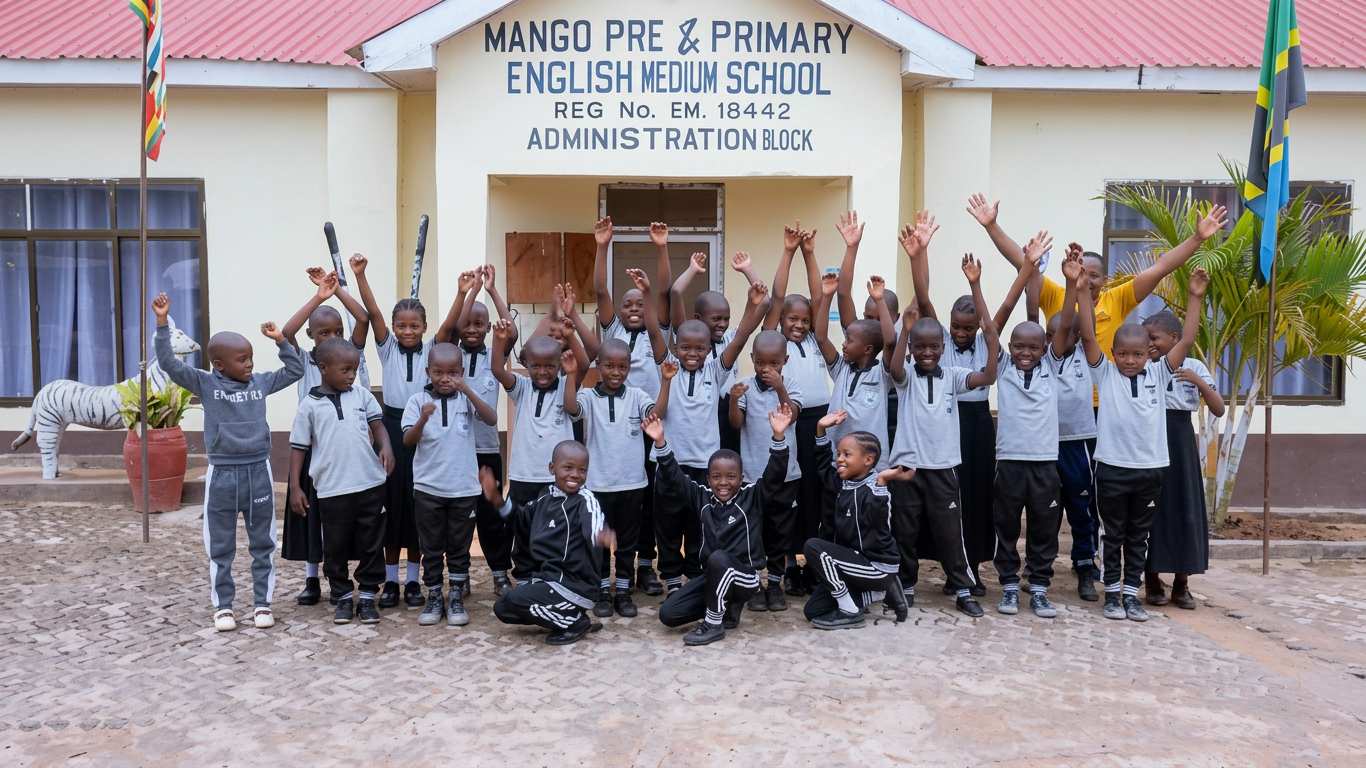
Built in 2018 with funds raised by LESCOTA, Mango School is the only English Medium School in the Ruvuma region providing free education to vulnerable children. Currently, Mango School has 512 students enrolled in grades kindergarten through grade 7. Mango aspires to meet regional, national, and international needs and prepares its students to live and thrive in a competitive world.
Key Statistics:
- Established: 2018
- Students: 512
- Grades: Kindergarten – Grade 7
- Status: Only English Medium School in Ruvuma region
- Tuition: Free for vulnerable children
LESCOTA Community Library
“Opening doors to knowledge and lifelong learning for every mind in the community.”
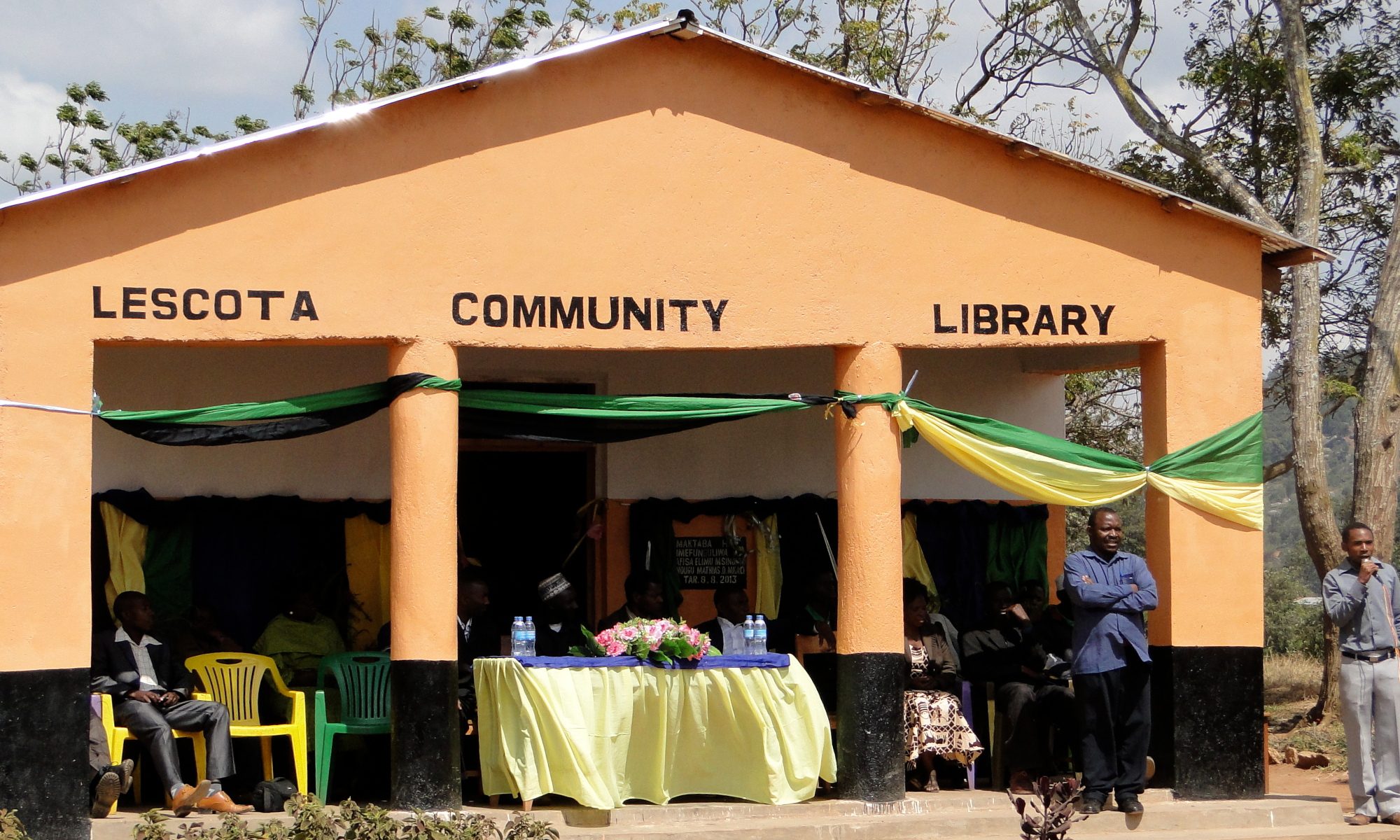
The LESCOTA Community Library is a community-based learning centre dedicated to expanding access to books, information, digital resources, and lifelong learning opportunities for children, youth, and adults. The library serves as a safe and inclusive space where people can read, study, learn new skills, and achieve their educational goals.
Key Features:
- Access to books and educational materials
- Digital resources and technology
- Safe and inclusive learning space
- Lifelong learning opportunities
- Reading and study programs
SPONSOR A CHILD
“Change a Child’s Life, One Gift at a Time.”
A Sponsor a Child program connects a donor with a vulnerable child by providing regular financial support to meet the child’s educational and basic needs. Every child deserves the opportunity to learn, grow, and achieve their dreams. Through our Sponsor a Child program, you can help provide a child with the support they need to succeed.
What Your Sponsorship Provides:
- School fees and educational materials
- School uniforms and shoes
- Nutritious meals
- Healthcare and medical support
- Safe learning environments
- Mentorship and emotional support
Why Sponsor a Child?
- Give a child access to quality education
- Break the cycle of poverty through learning
- Improve a child’s health and well-being
- Empower children to build a brighter future
As a Sponsor, You Will Receive:
- A child’s profile and background
- Regular updates on their progress
- Photos and stories showing the impact of your support
- The opportunity to make a lasting difference in a child’s life
Together, we can ensure that every child has the opportunity to learn, thrive, and reach their full potential. Become a Child Sponsor Today—because every child deserves hope, education, and a brighter future.
NGUZO SECONDARY SCHOOL
“Developing future leaders through academic excellence and skills for national development.”
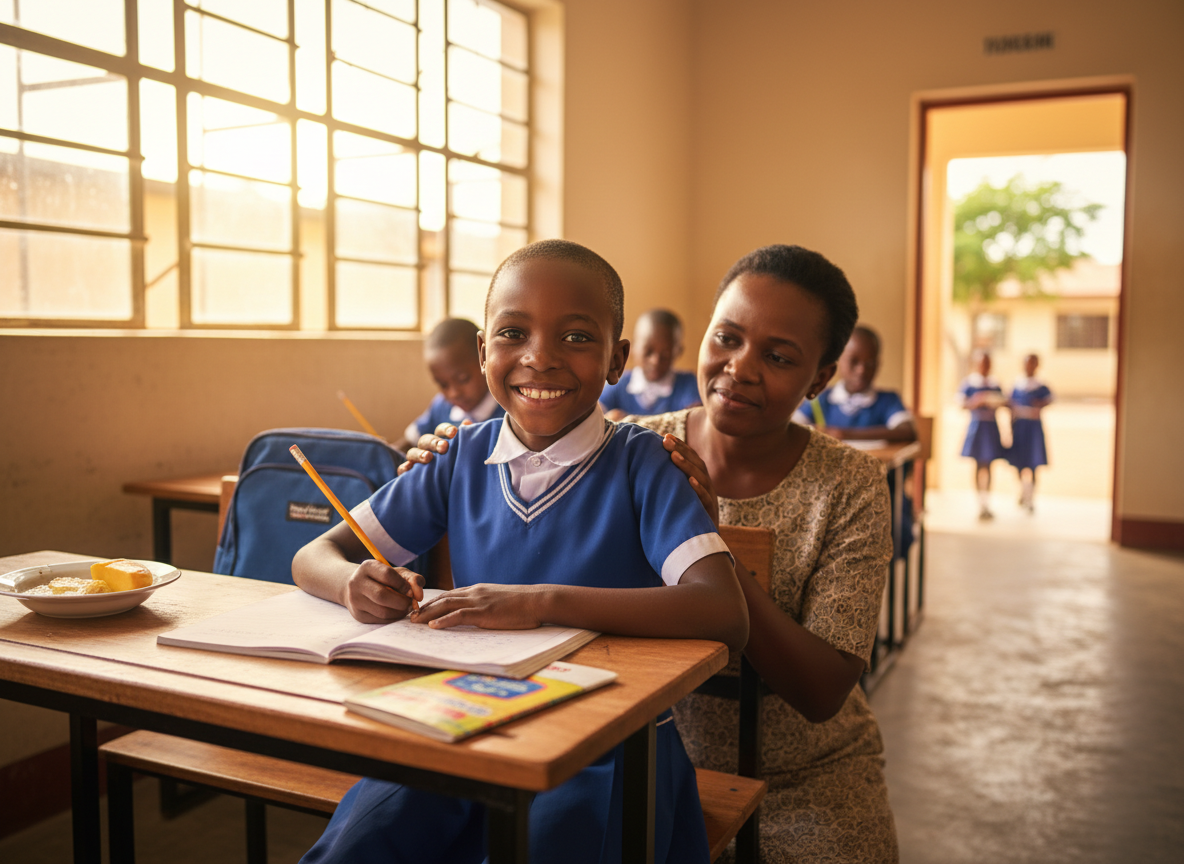
This project aims to create a modern learning environment where students can achieve academic excellence while developing the knowledge, skills, and values needed to contribute to Tanzania’s development. Nguzo Secondary School prepares students for higher education and meaningful participation in building Tanzania’s future.
Project Goals:
- Modern learning environment
- Academic excellence
- Skills development
- National development contribution
WOMEN EMPOWERMENT PROJECT
“Empowering women to break the cycle of poverty and build stronger communities.”
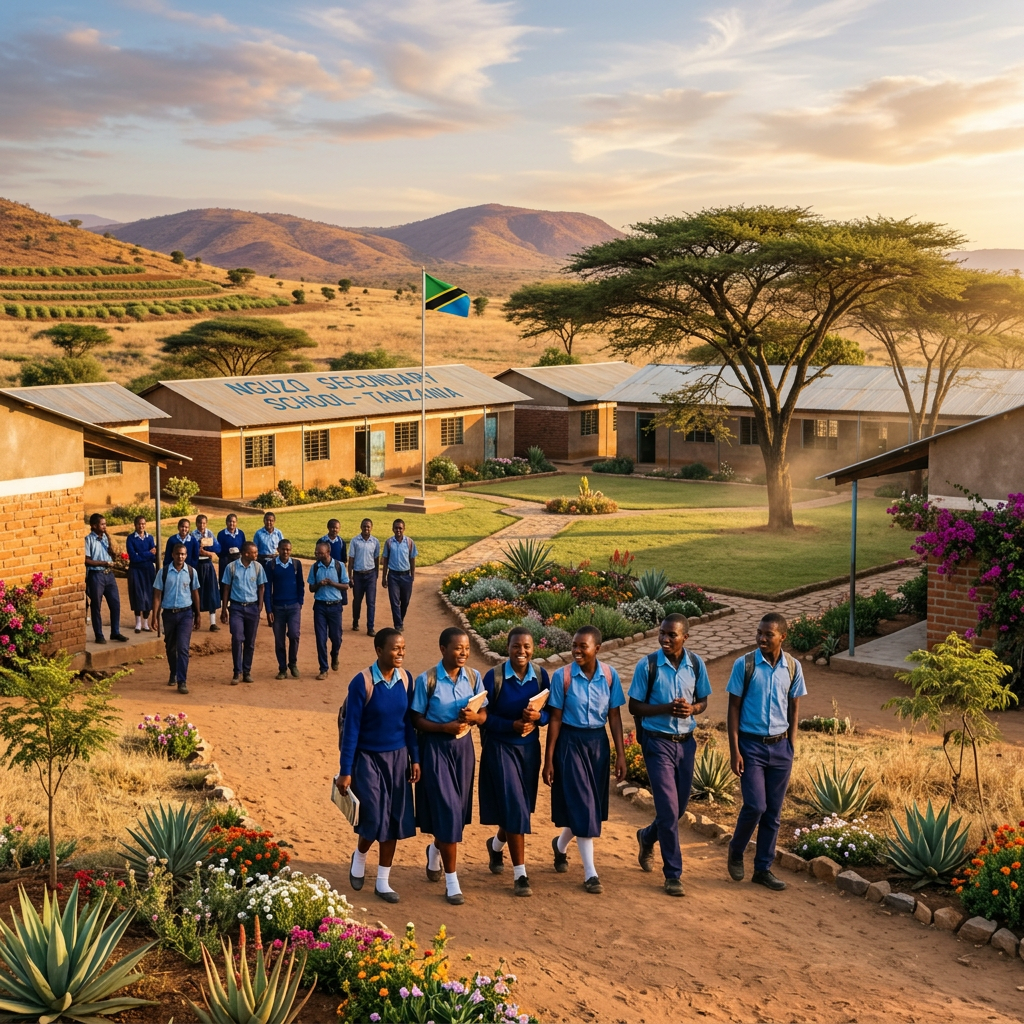
This project is designed to help women become economically independent, strengthen their leadership capacity, and improve the well-being of their families and communities while contributing to community development.
Objectives:
- Improve women’s vocational and business skills
- Increase access to financial services and savings groups
- Promote entrepreneurship and small business development
- Strengthen women’s leadership and decision-making abilities
- Improve household income and reduce poverty
Target Beneficiaries:
- Low-income women
- Single mothers
- Young women (18-35 years)
- Women with disabilities
- Rural women and women in underserved communities
Key Activities:
- Vocational skills training (tailoring, food processing, ICT, crafts, etc.)
- Entrepreneurship and business management training
- Financial literacy and savings group formation
- Start-up grants or revolving loan support
- Digital literacy and online marketing training
- Leadership and gender equality workshops
- Mentorship and networking opportunities
- Market linkage and business exhibitions
Expected Outcomes:
- Increased employment and self-employment among women
- Growth of women-owned businesses
- Higher household incomes
- Improved financial literacy and savings
- Greater participation of women in community leadership
- Enhanced confidence and decision-making skills
KESHO BORA PROJECT
“Bridging the gap from primary to secondary school with confidence and English language skills.”
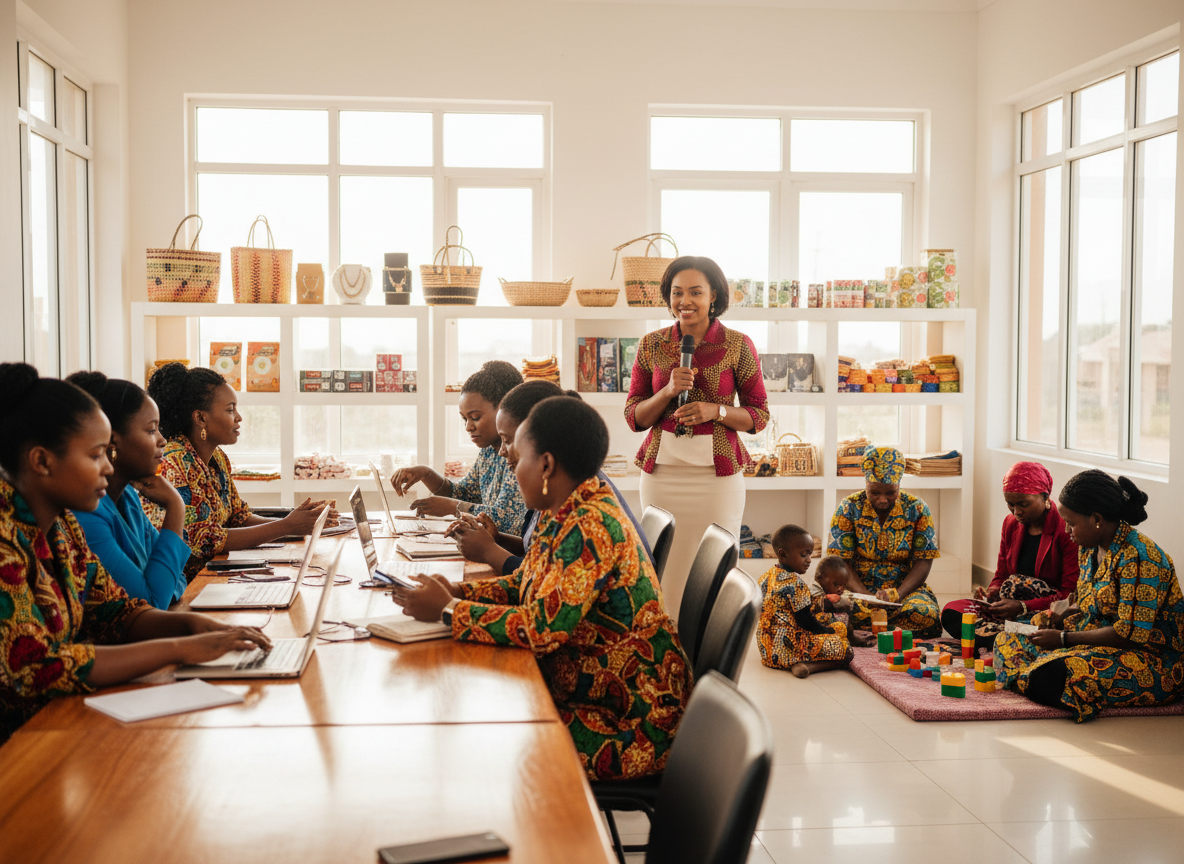
“Kesho BORA” is a Swahili word which means “Better FUTURE.” This is a Pre-Form One Course—a short bridging program for pupils who have completed Standard Seven and are waiting to join Form One. Its purpose is to help students adjust from primary to secondary education, especially because secondary school subjects are taught in English. An effective Pre-Form One English course gives students the English language skills and confidence they need to begin secondary school successfully and achieve better academic results.
Program Focus:
- Bridging primary to secondary education
- English language preparation
- Confidence building
- Academic readiness
YOUTH & SPORTS DEVELOPMENT
“Transforming young lives through sports, leadership, and positive community engagement.”
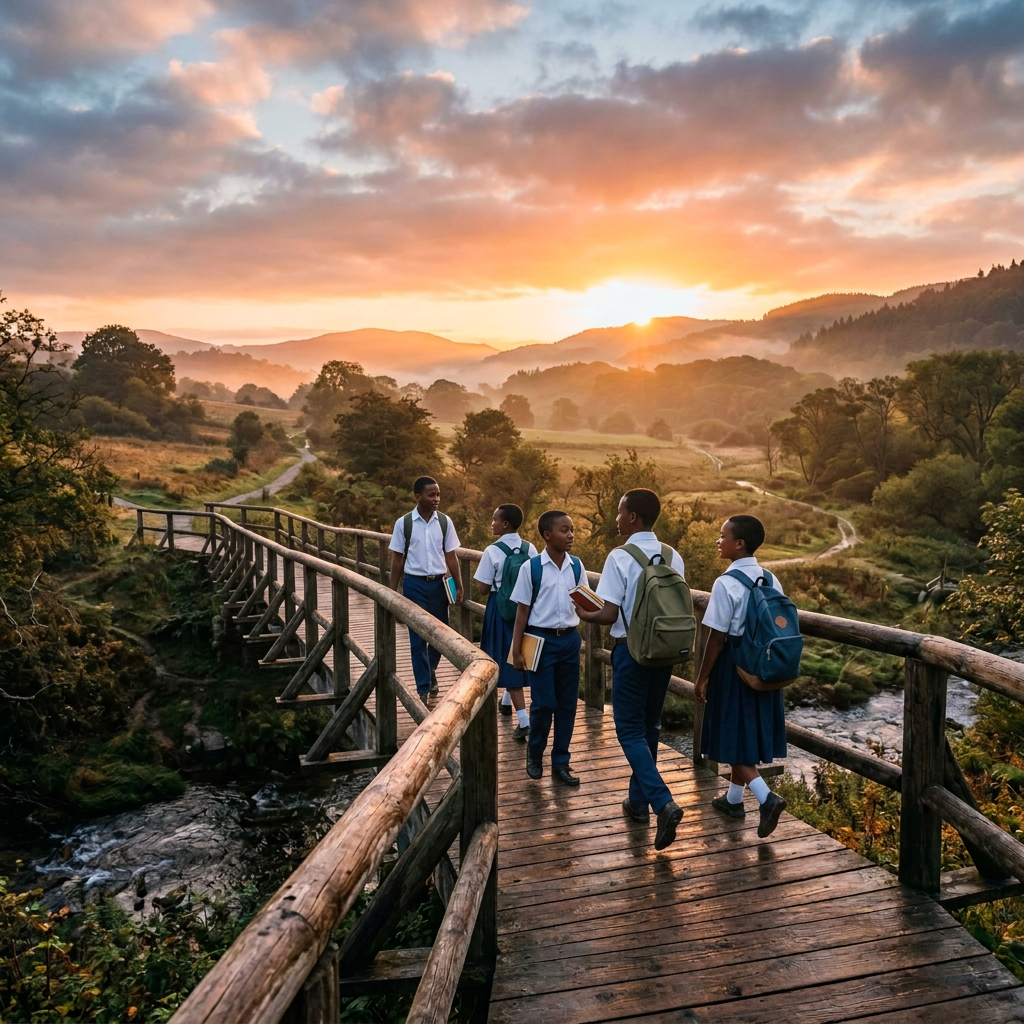
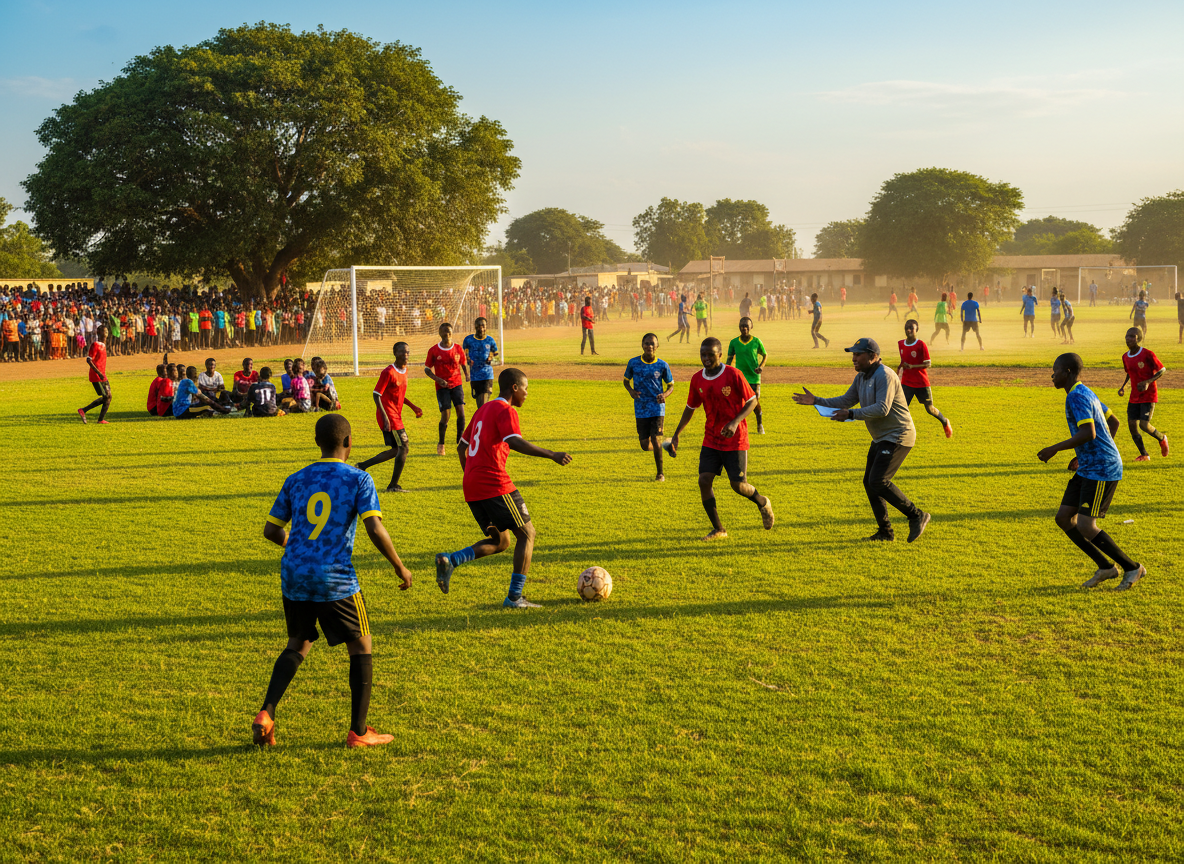
The Youth and Sports Development Project seeks to empower young people through organized sports activities, leadership training, talent development, health education, and entrepreneurship initiatives. The project aims to create a positive environment where youth can develop their talents, improve their physical and mental well-being, and contribute positively to community development.
Project Scope:
- Target: 1,000 youth aged 12-35 years
- Activities: Football, netball, volleyball, athletics, life-skills training
- Focus: Talent development, health education, leadership, entrepreneurship
Key Challenges Addressed:
- Drug abuse and substance abuse
- Juvenile delinquency
- Physical inactivity
- Limited leadership opportunities
- Low youth engagement in community activities
Expected Impact:
- Talents discovered and developed
- Improved physical and mental well-being
- Positive community contribution
- Leadership development
- Employment and entrepreneurship opportunities
SUSTAINABLE AGRICULTURE
“Growing food security and resilience through climate-smart farming for 1,000 households.”
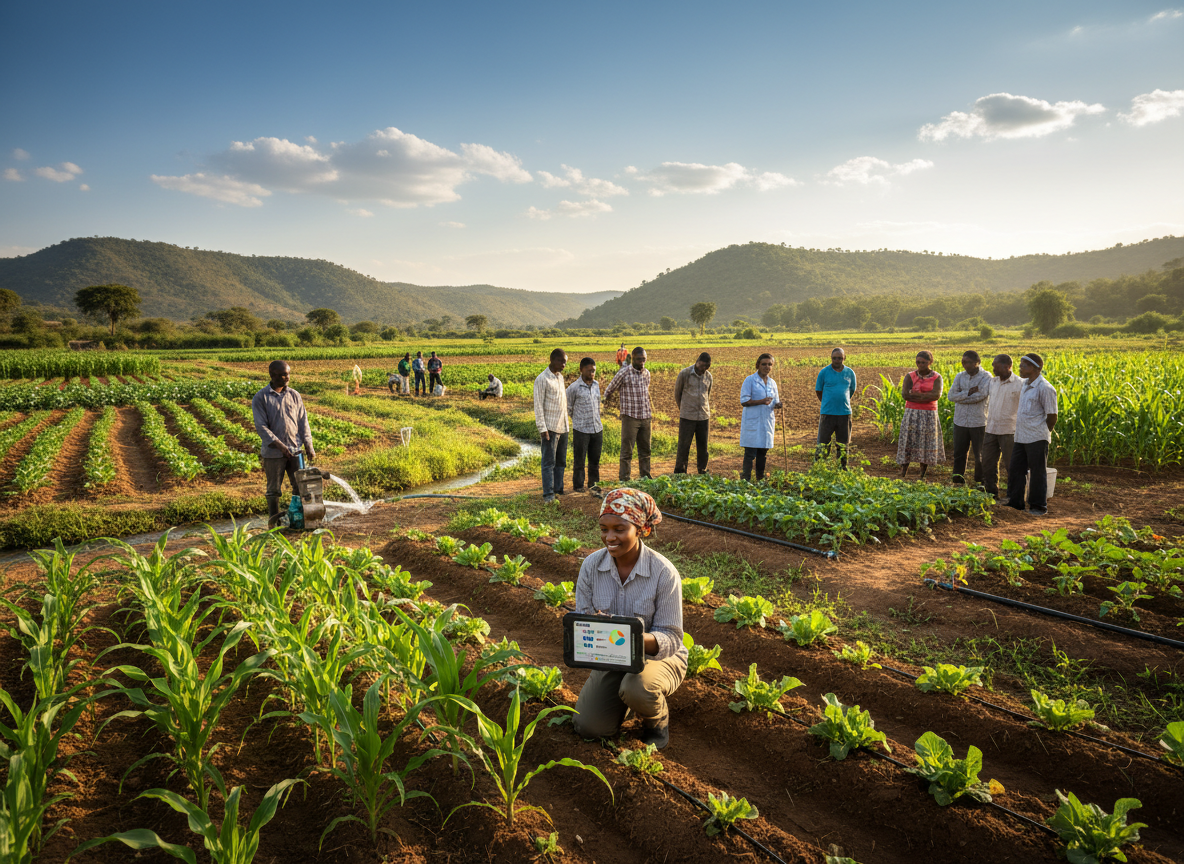
The Sustainable Agriculture Project aims to improve food security, household incomes, and environmental sustainability through the adoption of climate-smart agricultural practices. The project will support smallholder farmers with training, improved seeds, irrigation technologies, soil conservation techniques, and market linkages. The project targets 1,000 farming households over a period of five years. Through sustainable farming practices, farmers will increase crop productivity, improve resilience to climate change, and enhance their livelihoods while protecting natural resources.
Project Goals:
- Food security improvement
- Increased household incomes
- Environmental sustainability
- Climate-smart agricultural practices
Key Activities:
- Farmer training programs
- Improved seeds distribution
- Irrigation technologies
- Soil conservation techniques
- Market linkages
Expected Outcomes:
- Increased crop productivity
- Improved climate change resilience
- Enhanced livelihoods
- Protected natural resources
“MyHealthNote Ecosystem” TRAINING
“Equipping families with digital tools and confidence to manage their health—securely and independently.”
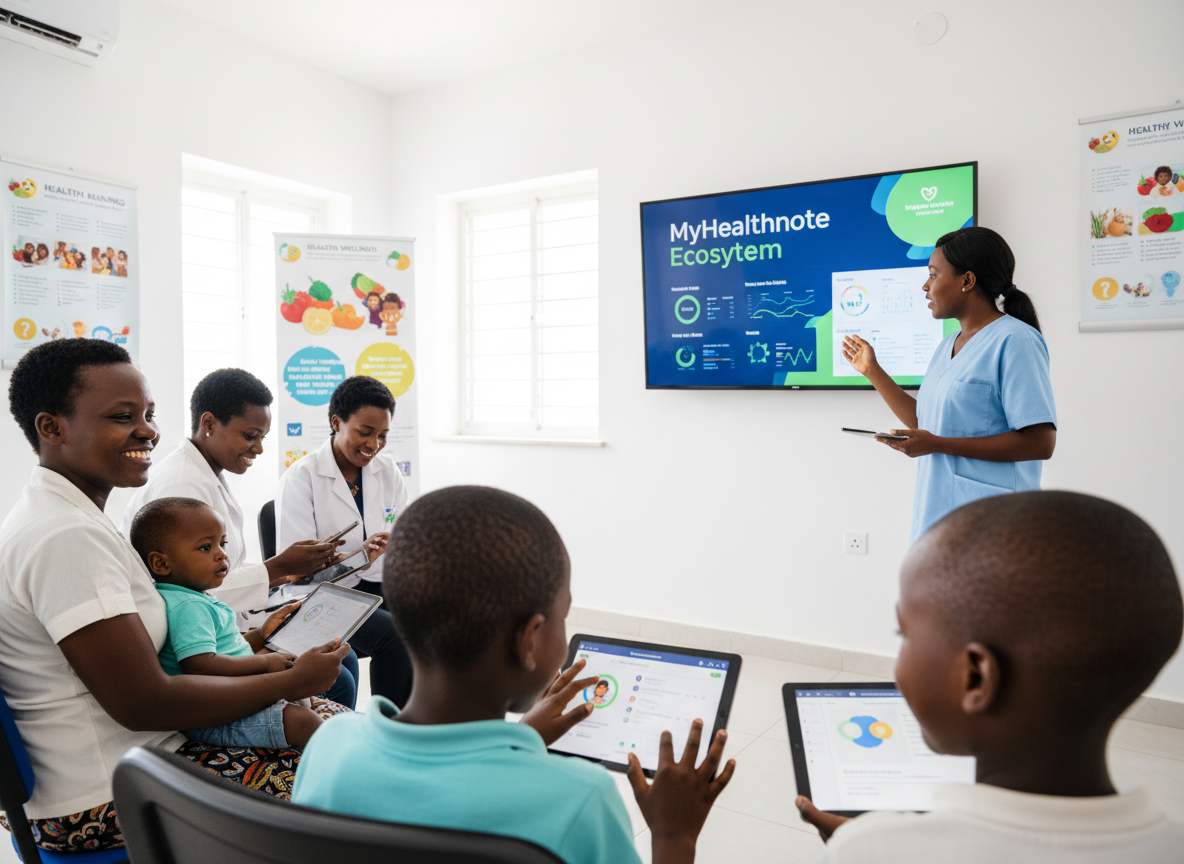
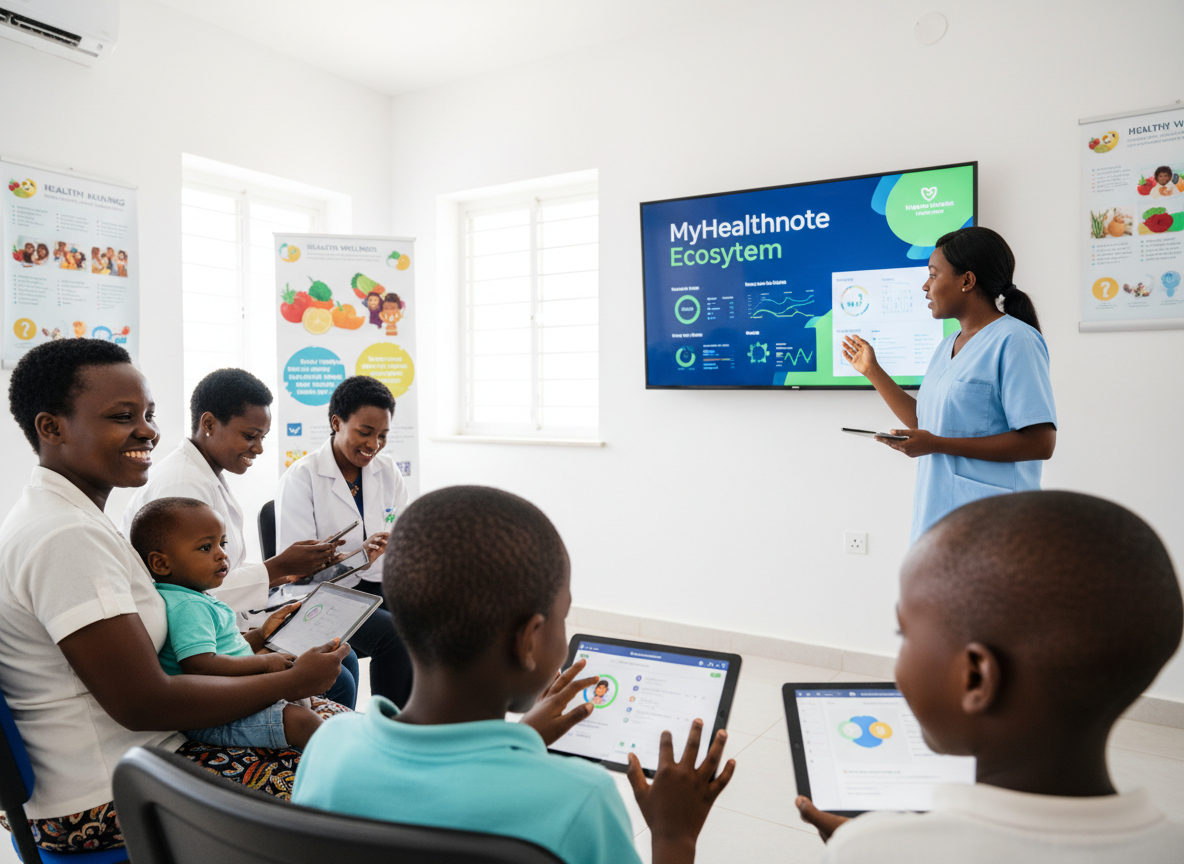
In partnership with Epistatearch Company Ltd., LESCOTA is implementing a groundbreaking digital health initiative in the rural village of Matekela. The MyHealthNote Ecosystem Training program introduces families, schools, and healthcare workers to an innovative digital health platform that enables proactive personal healthcare management.
Through this program, children, parents, pregnant women, and community health workers learn to navigate the MyHealthNote ecosystem—a secure digital health platform that allows families to track vital signs, monitor growth, receive predictive health alerts, and connect with healthcare providers. This initiative positions LESCOTA at the forefront of digital health innovation in rural Tanzania, combining cutting-edge technology with grassroots community trust and implementation.
🎯 Program Components:
Tier A: Maternal Health & Community Health Cohorts
- Mobilizing pregnant women, mothers, and frontline midwives in Matekela
- Establishing decentralized community health cohorts
- Automated compilation of standardized digital health histories
- Direct communication with healthcare workers and health researchers
Tier B: Predictive Pediatric Growth & Nutrition Modeling
- Mapping childhood growth curves against WHO standard developmental benchmarks
- Automated predictive stunting alerts and nutritional deficit indicators
- Precise targeting of household container garden and poultry training resources
- Early intervention for children at risk of malnutrition
Tier C: Educational & Institutional Health Repository
- Integrating health screening protocols into daily school operations
- Secure archiving of medical, dental, and vision checkups
- Demonstrating holistic clinical and academic oversight
- Supporting institutional grant applications with evidence-based data
❓ Why This Matters:
In rural Tanzania, families face significant barriers to healthcare access. Limited medical facilities, long distances to clinics, and lack of health records make it difficult to track child growth, monitor maternal health, and intervene early when health issues arise.
The MyHealthNote Ecosystem Training bridges this gap by:
- Bringing healthcare tracking directly to families and schools
- Enabling early detection of health issues through predictive alerts
- Creating permanent, accessible digital health records
- Connecting communities with healthcare providers remotely
- Generating evidence-based data for better health outcomes
Target Beneficiaries:
- Pregnant women and new mothers
- Children and infants (growth monitoring)
- Students at Mango Pre & Primary School
- Frontline midwives and community health workers
- Families in the Matekela community
- Local healthcare providers
🛠️ What Participants Learn:
Digital Health Skills:
- Navigating the MyHealthNote ecosystem
- Recording daily health statuses and vital signs
- Interacting with AI health tools
- Using peer support communities and telehealth features
Health Monitoring:
- Tracking body vitals and health progress
- Generating automated health insights
- Managing personal health profiles securely
Data Privacy & Security:
- Practicing strict data privacy protocols
- Securely sharing health summaries
- Understanding health data sovereignty
📈 Expected Outcomes:
- Improved health monitoring and early intervention
- Reduced rates of stunting and malnutrition
- Enhanced maternal and child health outcomes
- Evidence-based health data for decision-making
- Empowered families taking control of their health
- Stronger connections between communities and healthcare providers
- A scalable model for digital health in rural Tanzania
🤝 Partnership Details:
Technology Partner: Epistatearch Company Ltd. (Canada)
What Epistatearch Provides:
- Zero-cost access to the MyHealthNote ecosystem
- Proprietary predictive analytical modules (Buddort-AI)
- Cloud database hosting and security
- Technical framework setup and support
- Tailored reporting protocols for local context
What LESCOTA Provides:
- Field implementation leadership
- Community trust and local language communication
- School integration and volunteer coordination
- Qualitative feedback for platform optimization
- Targeted nutrition and agricultural interventions
 LESCOTA